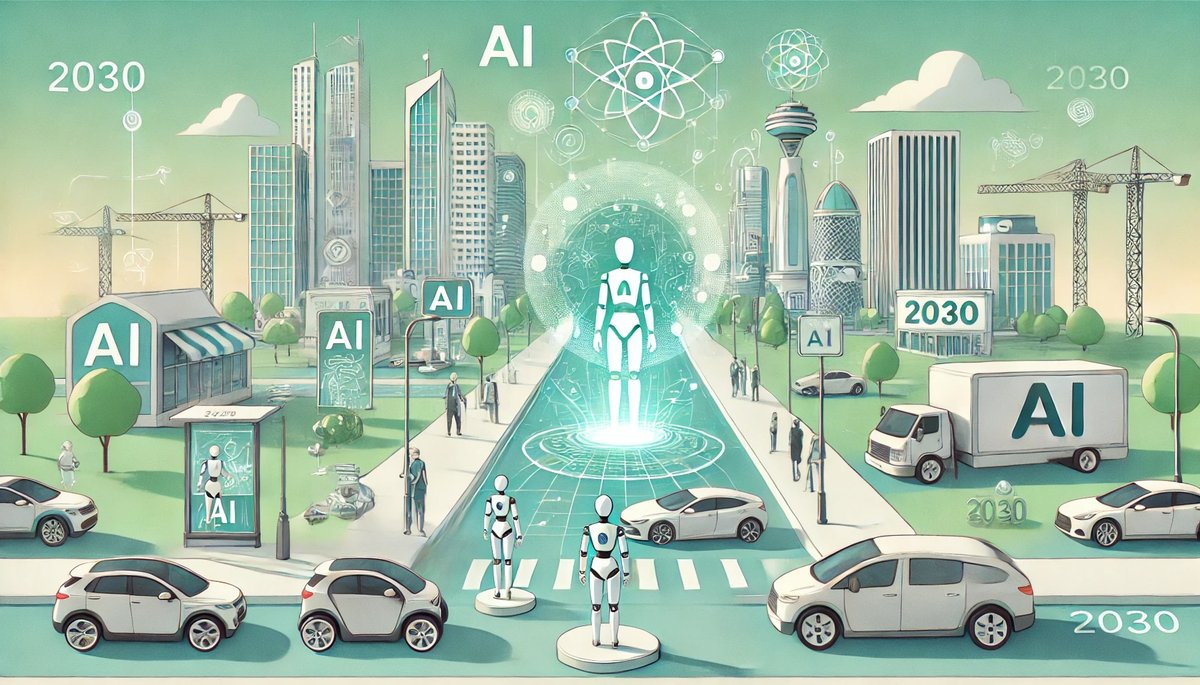
For centuries, human connection has been the bedrock of society, evolving with every technological leap. From the printing press to the telegraph, radio, telephone, and the internet, each innovation radically reshaped how we share information and interact. Today, we stand on the precipice of another monumental shift, one powered by artificial intelligence. The future of AI in automated communication isn't just about faster messages; it's about fundamentally altering the depth, reach, and efficiency of our interactions, promising both incredible convenience and profound challenges.
Imagine a world where language barriers simply melt away, customer service anticipates your needs before you even voice them, and every digital interaction feels uncannily personalized. This isn't science fiction; it's the near-term reality being crafted by AI. But like all powerful tools, its integration into our daily dialogue demands careful consideration, balancing innovation with the irreplaceable human touch.
At a Glance: What AI Brings to Automated Communication
- Personalization on Steroids: AI tailors messages, content, and interactions to individual preferences at scale.
- Language Bridge-Builder: Real-time and advanced text translation makes global communication seamless.
- Automated Efficiency: Handles routine inquiries, support, and administrative tasks, freeing up human time.
- Ethical Tightrope Walk: Raises concerns about bias, privacy, and the potential for social isolation.
- Human Oversight is Paramount: AI enhances, but doesn't replace, the need for empathy, understanding, and human judgment.
The Next Communication Revolution: AI at the Helm
Every generation has witnessed its own communication revolution. Our ancestors marveled at the speed of postal services; our parents embraced instant phone calls; we grew up with email, social media, and video conferencing. Now, AI is poised to orchestrate the next great transformation. It's not just an improvement; it's a paradigm shift, moving us from merely transmitting information to intelligently processing, understanding, and even generating it.
AI's ability to analyze vast datasets, learn patterns, and execute complex tasks with speed and accuracy is its superpower. In communication, this translates into tools that can understand nuances, adapt to context, and deliver highly relevant outputs, moving us far beyond the rigid scripts of early automated systems.
Where AI Is Redefining How We Speak and Listen
The impact of AI isn't confined to a single niche; it's a pervasive force touching various facets of automated communication. Its influence is particularly profound in areas demanding precision, speed, and personalization.
Hyper-Personalization: Speaking Directly to You
One of AI's most significant contributions is its capacity for personalization. Gone are the days of generic, mass-sent emails or calls. AI analyzes your past interactions, preferences, purchasing history, and even real-time behavior to craft messages that resonate directly with you.
- Customer Relationship Management (CRM): AI-powered CRMs can predict customer needs, suggest relevant products, and tailor service interactions based on individual profiles. Imagine receiving an offer that feels like it was designed just for you, not for a million other people.
- Marketing & Sales: AI-driven platforms personalize email campaigns, social media ads, and website content, leading to higher engagement and conversion rates. It ensures you see what's most relevant to your interests, cutting through the noise of irrelevant information.
- Internal Communications: In large organizations, AI can customize internal newsletters, suggest relevant training modules, or even highlight company updates most pertinent to an employee's role, ensuring everyone gets critical information without feeling overwhelmed.
This level of personalization doesn't just feel good; it's highly effective, fostering stronger connections by making individuals feel truly seen and understood.
Demolishing Language Barriers: A Truly Global Dialogue
The dream of a universal translator, once confined to science fiction, is rapidly becoming a reality thanks to AI. Language translation is an area where AI has made extraordinary strides, bridging gaps that once seemed insurmountable.
- Real-time Spoken Translation: Think of an international conference where speakers' words are instantly translated for attendees through headsets or on screens, fostering genuine cross-cultural dialogue without cumbersome delays. This capability is invaluable in global business, diplomacy, and even casual travel.
- Advanced Text Translation & Localization: Beyond spoken words, AI excels at translating documents, websites, and apps with increasing accuracy, understanding context and idiomatic expressions far better than older, rule-based systems. This allows businesses to seamlessly localize content for diverse markets, making their products and services accessible worldwide. It also empowers global teams to collaborate more effectively, ensuring everyone is on the same page regardless of their native tongue.
Intelligent Automation: Beyond Basic Bots
The earliest chatbots were often clunky and frustrating, unable to handle anything beyond the most basic queries. Today's conversational AI, however, is a different beast entirely. It’s moving beyond simple FAQ responses to genuinely intelligent automation.
- Elevating Customer Support: AI-powered chatbots and virtual assistants can handle a vast array of tier-1 customer inquiries, from checking order statuses to troubleshooting common technical issues. This frees human agents to focus on complex, empathetic problem-solving. These systems learn from every interaction, becoming smarter and more efficient over time.
- Transforming Education: AI-powered tutors can provide personalized learning experiences, answering student questions, explaining complex concepts, and even adapting lesson plans based on individual learning styles and progress. This ensures that students receive tailored support, enhancing engagement and retention.
- Streamlining Healthcare Access: Chatbots in healthcare can offer essential medical advice based on established protocols, answer patient questions about symptoms, help schedule appointments, and provide medication reminders. While not replacing doctors, these AI applications can significantly improve access to information and streamline administrative processes, especially for routine inquiries.
- Boosting Workplace Productivity: AI assists professionals by automating mundane communication tasks. Imagine an AI that can synthesize meeting notes into actionable summaries, draft initial email responses, or even help you craft compelling arguments for a proposal. Tools like an AI reply generator can learn your communication style and preferred tone, offering drafts that save valuable time and ensure consistent messaging across various platforms. This kind of intelligent assistance allows individuals to focus on strategic thinking and creative problem-solving.
The Indispensable Human Element: Where AI Meets Its Limits
While AI brings unprecedented capabilities to automated communication, it's crucial to acknowledge its inherent limitations. The promise of AI is not to replace human connection but to augment it. Some aspects of communication remain uniquely human.
- Empathy and Emotional Intelligence: AI can process emotional cues in text or voice, but it doesn't feel empathy. Effective communication, especially in sensitive situations, relies on genuine understanding, shared experience, and the ability to offer comfort, which AI cannot truly replicate. When a customer is distressed, a nuanced, human response often makes all the difference.
- Complex Problem-Solving and Nuance: While AI can handle many complex tasks, situations requiring highly creative solutions, ethical dilemmas, or understanding deep cultural nuances often demand human judgment. AI operates on patterns; humans can break patterns and innovate.
- Building Trust and Shared Experiences: Authentic relationships, whether personal or professional, are built on trust forged through shared experiences, vulnerability, and mutual understanding. A conversation with an AI, no matter how advanced, lacks this fundamental human element.
- Humor, Sarcasm, and Subtext: These subtle yet powerful elements of human communication often rely on shared context, cultural understanding, and emotional intelligence that AI struggles to grasp fully. A misinterpretation can easily lead to awkward or offensive communication.
As experts highlighted by CapTechU, the irreplaceable role of human connection, with its emphasis on empathy, understanding, and shared experiences, remains paramount. AI can be a powerful tool, but it's a tool to serve humans, not to supplant them entirely.
Navigating the Ethical Labyrinth of AI Communication
The increasing integration of AI into communication also ushers in a new set of ethical considerations. As with any technology that touches human interaction so intimately, its deployment demands careful thought and robust safeguards.
The Specter of Bias and Discrimination
AI models learn from the data they're trained on. If this data reflects existing societal biases—whether based on race, gender, socioeconomic status, or other factors—the AI will inevitably perpetuate and even amplify those biases. This can lead to discriminatory communication practices, such as:
- Unfair Credit Scoring: An AI processing loan applications might inadvertently penalize certain demographic groups if its training data contained historical biases.
- Discriminatory Customer Service: Chatbots might offer different levels of support or even different tones based on perceived user demographics from their language patterns.
- Algorithmic Censorship: AI moderating content could disproportionately flag or suppress voices from marginalized communities if its training data favored dominant narratives.
Establishing ethical frameworks for developing and deploying AI in communication is vital to ensure transparency, fairness, and accountability of use, as CapTechU emphasizes. Diversifying training data and implementing bias detection algorithms are critical first steps.
Privacy and Data Security Concerns
AI thrives on data. The more data it has about our communication patterns, preferences, and personal information, the "smarter" and more personalized it becomes. This raises significant privacy questions:
- Data Collection Scope: How much of our communication is being analyzed by AI systems? What data points are being captured?
- Data Ownership and Usage: Who owns the data generated from our AI-powered interactions? How is it stored, protected, and used? Could it be shared or sold without explicit consent?
- Security Vulnerabilities: As more sensitive communication flows through AI systems, the risk of data breaches increases, potentially exposing highly personal or confidential information.
Robust data protection regulations, clear consent mechanisms, and strong encryption are essential to build trust in AI-powered communication.
Transparency and Accountability: Knowing Who You're Talking To
Imagine having a deeply personal conversation, only to realize you've been speaking with an AI the entire time. The lack of transparency can erode trust and manipulate users.
- AI Disclosure: Should AI systems always identify themselves as such? Many argue for clear disclosure, especially in sensitive contexts like healthcare or legal advice.
- Accountability for Errors: If an AI provides incorrect information or makes a biased decision, who is accountable? The developer, the deploying organization, or the AI itself? Establishing clear lines of responsibility is crucial.
The Risk of Social Isolation
As AI handles more of our routine communication, there's a legitimate concern, also highlighted by CapTechU, that our reliance on AI could lead to social isolation and a decline in face-to-face interaction.
- Reduced Human Practice: If AI answers most of our questions and handles most of our transactional needs, do we lose opportunities to practice and refine our human communication skills?
- Shallow Connections: While efficient, AI interactions often lack the depth required for meaningful human connection. Over-reliance might lead to a world where interactions are numerous but superficial.
- The "Filter Bubble" Effect: Personalized AI could create echo chambers, exposing us only to information and perspectives that align with our existing views, potentially reducing exposure to diverse ideas and critical thinking.
The challenge lies in using AI to enhance human connection, not diminish it.
Best Practices for Integrating AI into Your Communication Strategy
Adopting AI in communication isn't about jumping on the latest trend; it's about strategic, thoughtful integration. Here's how to do it right:
- Define Clear Goals: Before deploying any AI, understand why you're doing it. Are you aiming for efficiency, personalization, global reach, or improved customer satisfaction? Clear goals will guide your AI implementation and measurement.
- Start Small, Learn, and Iterate: Don't try to automate everything at once. Begin with specific, well-defined communication tasks where AI can offer immediate value, such as handling FAQs or basic customer support. Gather feedback, analyze performance, and refine your AI models iteratively.
- Prioritize Human Oversight and Collaboration: AI is a powerful assistant, not a replacement. Ensure human agents are always available for escalation, complex issues, or sensitive conversations. Train your teams to work with AI, using its insights to perform their jobs better, rather than feeling threatened by it.
- Train Your AI Responsibly and Continuously: The quality of your AI's communication hinges on its training data. Ensure your datasets are diverse, unbiased, and representative of your audience. Implement regular audits to detect and correct any emerging biases. Your AI is always learning; make sure it's learning the right things.
- Be Transparent with Your Users: Always be clear when a user is interacting with an AI versus a human. This builds trust and sets appropriate expectations. A simple "You're chatting with our AI assistant" can go a long way.
- Focus on Value, Not Just Automation: Don't automate for automation's sake. Ensure that every AI-powered communication adds genuine value to the user experience, making interactions easier, faster, or more personalized. If it complicates things or frustrates users, it's counterproductive.
- Monitor and Measure Everything: Implement robust analytics to track AI performance in communication. Are response times improving? Is customer satisfaction increasing? Are errors decreasing? Use these metrics to continuously optimize your AI strategies.
Addressing Common Misconceptions About AI in Communication
The hype around AI often leads to misunderstandings. Let's clarify a few common myths:
- "AI will replace all human jobs in communication." This is a pervasive fear, but the reality is more nuanced. AI will certainly automate repetitive, predictable communication tasks. However, it will also create new roles focused on AI management, training, ethical oversight, and—most importantly—tasks requiring creativity, empathy, and complex human judgment. AI augments human capabilities, rather than eradicates them entirely.
- "AI communication is always perfect and unbiased." As we've discussed, AI is only as good as its training data. If the data is biased or incomplete, the AI will reflect those flaws. It can also misinterpret queries, lack common sense, or fail to grasp subtle human cues. Perfection is a distant goal, not a current reality.
- "AI can truly understand human emotions." AI can identify patterns in language, tone, and facial expressions that are associated with certain emotions. It can then generate responses designed to be emotionally appropriate. However, this is not the same as genuinely feeling or understanding emotions in the human sense. It's a sophisticated simulation, not true empathy.
- "Implementing AI is a one-time project." AI models require continuous monitoring, updating, and retraining. Communication patterns evolve, new slang emerges, and business needs change. AI is an ongoing process of optimization, not a set-and-forget solution.
The Road Ahead: Cultivating Human Skills for an AI-Powered World
As AI reshapes the landscape of automated communication, the skills required for human success will also evolve. Instead of fearing AI, we must learn to work alongside it, leveraging its strengths while amplifying our uniquely human attributes.
Future-proof professionals will need to cultivate:
- Critical Thinking and Ethical Reasoning: The ability to question AI outputs, identify biases, and make sound ethical judgments will be paramount.
- Emotional Intelligence and Empathy: These will become even more valuable in roles requiring nuanced human interaction, conflict resolution, and relationship building.
- Creativity and Innovation: AI can optimize existing processes, but it's human creativity that will push boundaries, conceive new solutions, and craft compelling narratives.
- AI Literacy and Prompt Engineering: Understanding how AI works, knowing its capabilities and limitations, and being able to effectively "prompt" AI to achieve desired communication outcomes will be a core skill. This includes the ability to refine and correct AI-generated content.
- Adaptability and Lifelong Learning: The pace of technological change demands a mindset of continuous learning and a willingness to adapt to new tools and methodologies.
Educational institutions are already recognizing this shift, with many offering programs focused on AI, its applications, and its ethical implications, preparing the next generation of professionals to thrive in this evolving landscape.
Your Next Move: Shaping the Future of Connection
The future of AI in automated communication isn't a passive spectacle; it's a dynamic field we are all actively shaping. From global enterprises to small businesses and individual users, our choices today will define the quality and character of our connections tomorrow.
Embrace AI not as a replacement for human ingenuity, but as a powerful co-pilot. Invest in understanding its capabilities, acknowledge its limitations, and commit to deploying it ethically and transparently. Prioritize human oversight, foster skills that AI cannot replicate, and continuously adapt to its rapid advancements.
By doing so, we can ensure that this technological leap enhances our capacity for meaningful connection, making communication more accessible, personalized, and efficient, without losing the essential human touch that makes it truly valuable. The conversation is just beginning, and you have a critical role to play in writing its next chapter.